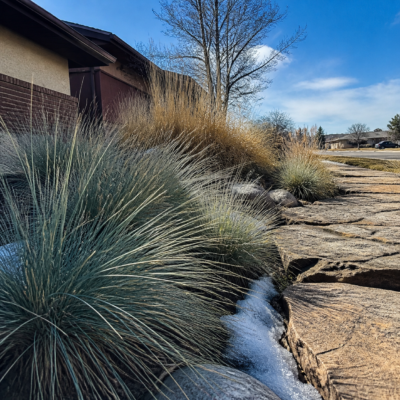
Denver Pro Landscape runs weekly and biweekly lawn mowing in Denver and the surrounding suburbs. Every visit covers mowing, line trimming, edging along beds and walkways, and blowing off hard surfaces. Weekly mowing typically costs $40 to $70 per visit. Call or request a free quote to check route availability and lock in a fixed service day.
Call (720) 650-0165 or get a free quote.
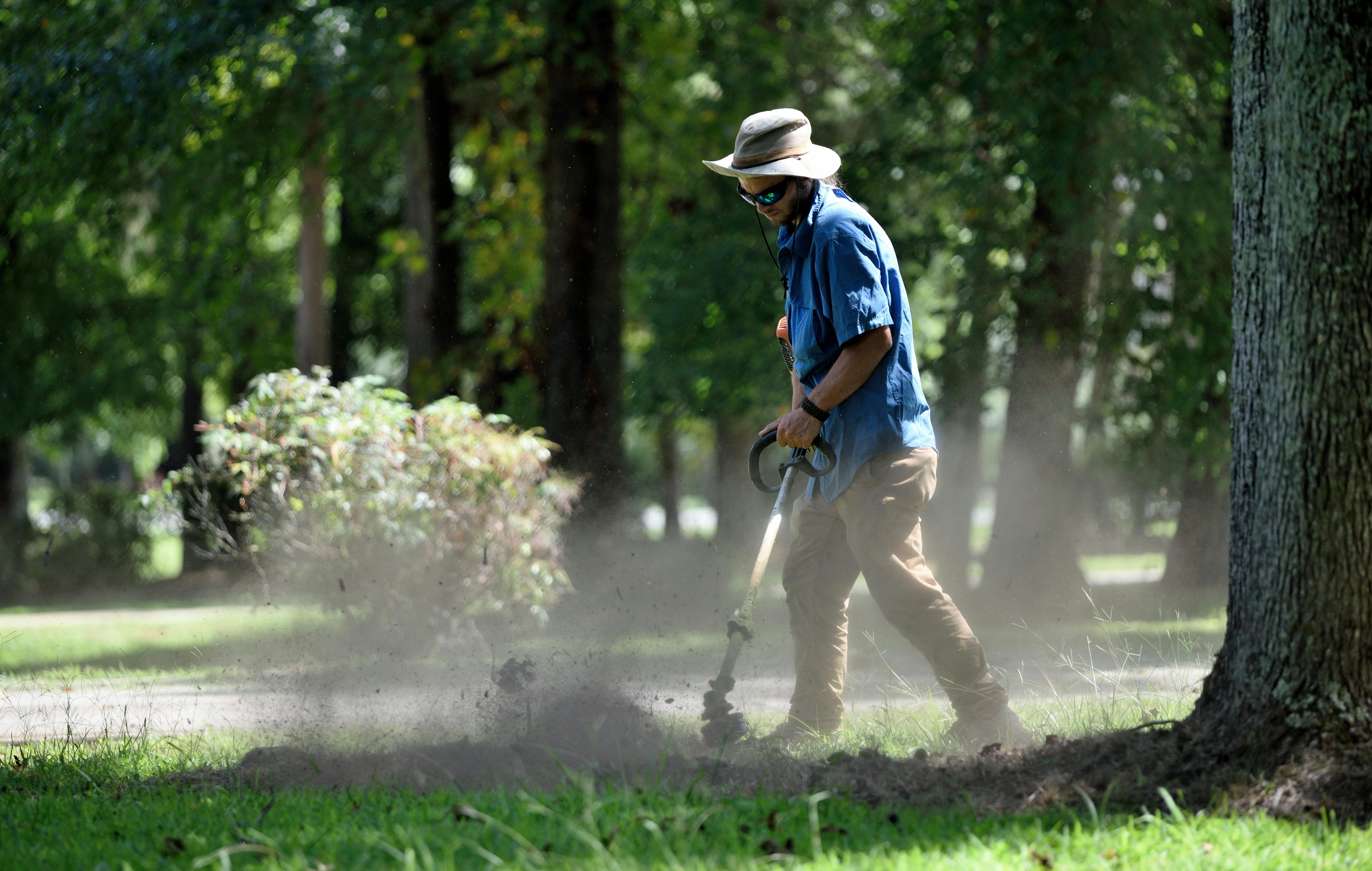
How much does lawn mowing cost in Denver?
Weekly mowing on a typical Denver lot runs $40 to $70 per visit. Across all lot sizes and scopes, most Denver lawns are mowed for $45 to $95 per visit, and a full-service monthly plan runs $150 to $450 or more. Lot size, gates, slopes and how often we come set where you land.
| Service | Typical Denver price |
|---|---|
| Weekly mowing, per visit | $40 to $70 |
| Mowing and maintenance visit, all lot sizes | $45 to $95 |
| Full-service monthly plan | $150 to $450+ |
| Full-season program | $1,500 to $3,500 |
| Core aeration | $75 to $150 |
| Spring or fall cleanup | $200 to $500 |
We don’t charge for visits we don’t perform, and bagging clippings on request adds a small fee per visit. For the longer breakdown, see our lawn care pricing page, the Denver landscaping cost guide, and how much landscaping costs in Denver.
What moves a mowing quote up or down
- Turf area. Not lot size, but how much of the lot is actually grass.
- Access. A narrow gate, steps or a steep bank can mean a smaller mower and more time.
- Obstacles. Trees, beds, play sets and fence lines all add trimming.
- Frequency. A weekly cut is quicker than a biweekly cut through taller grass, which is why the per-visit price isn’t simply halved.
- Corner lots and tree lawns. Denver makes the owner responsible for the strip between sidewalk and street, and a corner lot has twice as much of it.
- Starting condition. An overgrown lawn has to come down in stages before it fits a regular slot.
- Clippings. Mulching is part of the visit. Bagging and hauling costs a little more.
How often should a Denver lawn be mowed?
Weekly from about April through October for bluegrass and fescue, which is when they grow. Colorado State University Extension says to mow often enough that no more than one third of the blade comes off at once. In spring flush that can mean every few days, and in slow weeks every seven to ten days is plenty.
That one-third rule is why we don’t sell biweekly service to every lawn. At a 3 inch cutting height, it means mowing before the grass passes about 4.5 inches. A fertilized, well-watered fescue or bluegrass lawn in May blows through that in well under two weeks. Biweekly works in the cooler shoulder weeks, on slow-growing turf, and on lawns that aren’t being watered. The guidance comes from Colorado State University Extension, and we’d rather recommend the schedule that fits your grass than the one that’s easiest to sell.
What height should Denver grass be cut?
Between 2.5 and 3 inches. That’s the height Colorado State University Extension prefers for every lawn species grown in Colorado, including Kentucky bluegrass, tall fescue and fine fescue. We hold the upper end of that range through July and August, because taller blades shade the soil and the roots when the sun is hardest on turf.
Extension also sets a floor: 2 inches is the minimum height for any lawn. Scalping a Denver lawn to stretch the time between cuts is the fastest way to brown it. The same source recommends sharpening rotary blades every fourth mowing, especially on fescue, because a dull blade tears the leaf tip and leaves the whole lawn looking gray.
Which grass types grow in Denver lawns, and how does that change the mowing?
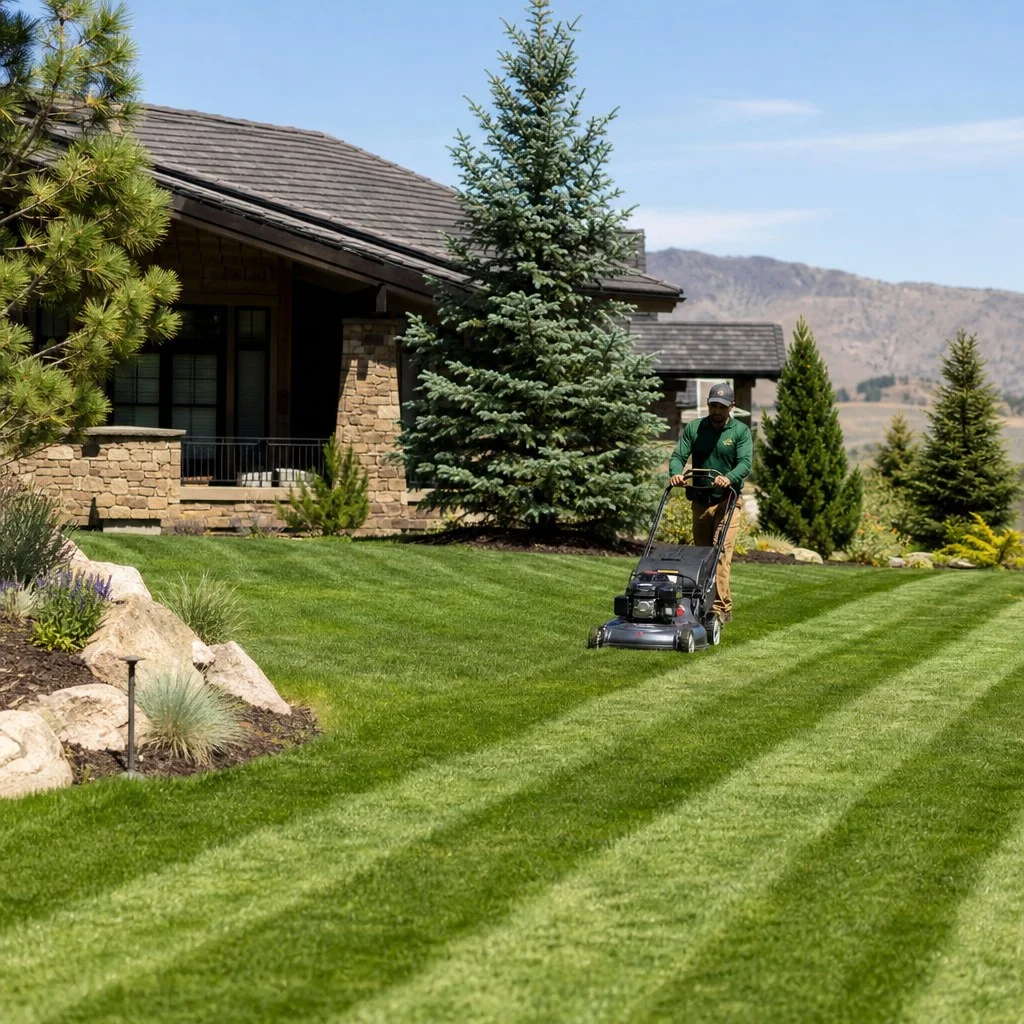
Mostly cool-season grasses: Kentucky bluegrass, tall fescue and fine fescue, often blended in one yard. Bluegrass is thirsty but repairs itself, tall fescue roots deeper and handles heat and sun, and fine fescue suits shade. Native buffalograss needs very little water and only occasional mowing. All of them are cut at 2.5 to 3 inches.
- Kentucky bluegrass. High water need, low to medium shade tolerance, and high traffic tolerance because it spreads and fills its own bare spots. It’s the lushest lawn in town and the first to lose color when the water stops.
- Tall fescue. Medium water need and high tolerance for drought and high-altitude sun, thanks to deeper roots. Medium to high shade tolerance.
- Fine fescue. Low to medium water need and high shade tolerance, but it doesn’t like traffic. Best under trees and on quiet side yards.
- Buffalograss. Very low water need and very high drought tolerance, with low shade tolerance. It greens up late and goes tan in heat spells and over winter.
Before the first cut we identify what’s actually growing, because a blend in sun and shade won’t grow at one speed. Our guide to the best grass for Denver lawns compares them side by side. Warm-season grasses like St. Augustine and Bermuda aren’t an option here. They can’t survive Denver’s winters.
Should grass clippings be bagged or mulched in Denver?
Mulched, almost always. Colorado State University Extension says to let clippings fall back onto the lawn unless you’re composting them. They break down quickly here and return nitrogen to the soil. We bag on request for a small fee per visit, or when grass has gone too long and the clippings would clump.
Fall is the exception. On leaf-heavy visits we collect and remove instead of mulching in, since a thick mat of leaves smothers turf going into winter.
How does a mowing service work from first call to a regular route?
Six steps: you request a quote, we walk the lawn, you get a written price and a fixed service day, we make a first cut that brings the grass to height in stages, regular visits start, and we adjust through the season. Most of the setup happens on one short visit to your yard.
- Request a quote. Call or use the quote form and tell us the address, rough lot size, gates and pets. We check route capacity for your neighborhood, since a fixed service day only works when a crew is already nearby. This part takes a few minutes.
- Lawn walk. We look at what’s growing, where the shade falls, slopes, gate widths, obstacles and sprinkler heads near the edges. Cutting height and weekly versus biweekly get decided here. Allow 15 to 20 minutes for a typical city lot.
- Written price and service day. You get a per-visit price, what the visit includes and your day of the week. Bagging, aeration and cleanups are listed separately so you can see what each one costs.
- First cut. If the lawn is overgrown, we bring it down in stages and never take more than a third of the blade at once. Getting a neglected lawn to its set height can take two or three visits.
- Regular visits. Mow, trim, edge, blow, every time. A typical city lot is usually well under an hour on site. Crews note anything that needs your attention, like a broken sprinkler head or a dry patch.
- Seasonal adjustments. Frequency follows growth: tighter in the May flush, looser in summer heat or under watering restrictions. If rain leaves the lawn too wet to mow without rutting, we reschedule, usually the same week. Give us 48 hours’ notice and we’ll skip a visit while you’re away.
What happens on each mowing visit?
Each visit follows the same order: a quick walk of the lawn, mowing at the set height, line trimming around edges and obstacles, edging along beds and walkways, and blowing clippings off hard surfaces. Clippings get mulched back into the turf by default. We flag anything odd we see, like a broken sprinkler head.
The walk comes first for a reason. It’s when toys, hoses, dog waste and sprinkler heads sitting proud of the soil get spotted, before a blade finds them. We change mowing direction from visit to visit where the lot allows, so wheels don’t wear the same tracks into clay. Fertilizer, weed control, aeration and cleanups aren’t part of a mowing visit. They’re quoted on their own.
How does Denver Water’s 2026 lawn watering ban change mowing?
It slows growth, so it changes the schedule. Denver Water declared a Stage 1 drought and prohibited lawn watering and all spray irrigation after September 30, 2026, with sprinklers staying off in spring 2027 until its board decides otherwise. Unwatered turf grows less, so we mow by growth, not by the calendar, and keep the cut high.
Before the ban, Denver Water customers were limited to two assigned watering days a week, with no watering between 10 a.m. and 6 p.m. Our Denver watering rules page follows the changes. Overseeding and new sod are paused as well, because Denver Water isn’t allowing grass establishment after September 30 without an approved variance.
CSU Extension’s drought advice for mowing is short: keep the mower at 2.5 to 3 inches all season, and don’t take more than three quarters of an inch off in any single mowing. It also says trees should get first call on whatever water you’re allowed to use, since they take years to replace. Hand watering and drip for trees, shrubs and perennials are still permitted.
If you’re rethinking how much turf you want to keep, the Denver xeriscape rebate guide and our artificial turf page are the places to start.
Does Denver have a rule about overgrown grass?
Yes. The City and County of Denver generally treats vegetation taller than 6 inches as overgrown unless it’s intentionally planted and well maintained. Owners, managers and renters share the responsibility, and it extends to the tree lawn between sidewalk and street and to any bordering alley, out to the center line. Regular mowing keeps you clear of it.
This catches rentals, vacant houses and corner lots more than anyone. A standing mowing slot is the simple fix if you travel, own a rental across town or just don’t want to think about the strip by the curb.
When does mowing season start and end in Denver?
Roughly April through October. Cool-season lawns green up in early spring, hit their fastest growth around May, slow in summer heat and pick up again in September. The season rarely starts cleanly, though. March is Denver’s snowiest month at a normal 11.5 inches, and April still averages 8.8 inches, so early visits get snowed out.
The average last spring frost falls in early to mid May and the first fall frost in late September to early October. Denver Water puts the typical first freeze in mid October. Growth tapers from there, and the last cut of the year usually lands a few weeks later. For month-by-month timing, see the Denver lawn care calendar and our notes on summer lawn care in Denver.
What else does a Denver lawn need besides mowing?
Aeration, the right fertilizer timing and a spring and fall cleanup. Denver’s clay compacts hard, so core aeration at least once a year matters more here than in sandier places. Core aeration runs $75 to $150 and a spring or fall cleanup $200 to $500. A full-season program that bundles them runs $1,500 to $3,500.
Core aeration
CSU Extension describes aeration as pulling plugs of thatch and soil 2 to 3 inches long, the longer the better, and rates it more useful than power raking, which can tear out a good share of the living turf. On Denver clay we’d aerate at least once a year, and twice, spring and fall, on compacted or high-traffic yards. The plugs can stay on the lawn to break down. Extension’s trigger for worrying about thatch is a layer more than half an inch thick.
Fertilizer timing
CSU’s schedule for a bluegrass lawn, in pounds of nitrogen per 1,000 square feet: half a pound to 1 pound from mid March to April, 1 pound from May to mid June, none needed in July and early August, 1 pound from mid August to mid September, and 1 pound in the October to early November window while the grass is still green. Buffalograss is the reverse. It gets nothing in spring or fall and half a pound to 1 pound in early and mid summer.
Spring and fall cleanups
A spring cleanup clears winter debris and matted leaves before the first cut. A fall cleanup deals with leaves before snow packs them down. Either runs $200 to $500 depending on the lot and the trees over it.
Denver soil, sun and climate: what your lawn is up against
The USDA’s description of the Denver soil series reads like a list of mowing problems: fine-textured, more than 35 percent clay in the subsoil, slowly to very slowly permeable. Our Denver soil guide adds that it runs alkaline, around pH 7.5 to 8.0, and low in organic matter. Clay like that ruts when it’s mowed wet and sets like brick when it’s dry, which is why we won’t mow a saturated lawn.
Then there’s the water budget. Denver’s normal precipitation is about 14.5 inches a year, while Colorado State University Extension notes a bluegrass lawn can want up to 2.25 inches a week in hot, dry, windy weather. Add mile-high sun, and a lawn cut too short has nothing in reserve.
Not every lawn keeps the same calendar, either. Colorado State University Extension notes that buffalograss turns brown and dormant with the first hard fall frost and doesn’t green up until mid to late spring, well after bluegrass and fescue. If you’re planning to seed once it’s allowed again, our page on the best time to plant grass covers the windows.
Example scopes: what a season of mowing adds up to
These are typical setups, not jobs from our files. They show how the published per-visit ranges turn into a season total.
Example scope: weekly mowing on a 5,000 square foot bluegrass lot
For a lot like this, think of a front and back lawn in full sun with one gate and a few trees.
- Weekly visits from April through October, about 30 weeks.
- Cut at 3 inches, trim, edge and blow off walks and the drive.
- Clippings mulched back into the lawn.
The local complication is spring. Snow in April cancels visits, and the May flush can outrun a weekly cut. Price math: 30 visits at $40 to $70 is $1,200 to $2,100 for the season, and any visit that doesn’t happen isn’t billed.
Example scope: full-season program on a corner lot
A typical corner lot has lawn on two street sides plus the tree lawn strips the owner is responsible for.
- Weekly mowing, including both tree lawn strips.
- Spring cleanup and fall cleanup.
- Core aeration in spring and again in fall.
The local complication is compaction. Corner lots take foot traffic and snow piles along two frontages, which is where clay packs hardest. Price math: mowing at $1,200 to $2,100, two aerations at $150 to $300 and two cleanups at $400 to $1,000 comes to $1,750 to $3,400, inside our $1,500 to $3,500 full-season range.
Example scope: biweekly mowing on an unwatered lawn
For a Denver Water customer with the sprinklers off under the drought rules:
- Visits about every two weeks, timed to growth.
- Cut at 3 inches, with no more than three quarters of an inch removed.
- Trim, edge and blow as usual. No bagging.
The local complication is that growth can stall completely in a dry stretch, and a scheduled visit turns into a skip. Price math: at most about 15 visits at $45 to $95 is $675 to $1,425, and fewer visits means a smaller bill.
Denver neighborhoods and suburbs on our mowing routes
We mow across Denver, Arapahoe, Jefferson, Adams and Douglas counties, including Littleton, Englewood, Wheat Ridge, Thornton, Westminster and Parker. Local pages:
- Lawn mowing in Aurora
- Lawn mowing in Arvada
- Lawn mowing in Centennial
- Lawn mowing in Highlands Ranch
- Lawn mowing in Lakewood
- All the areas we serve
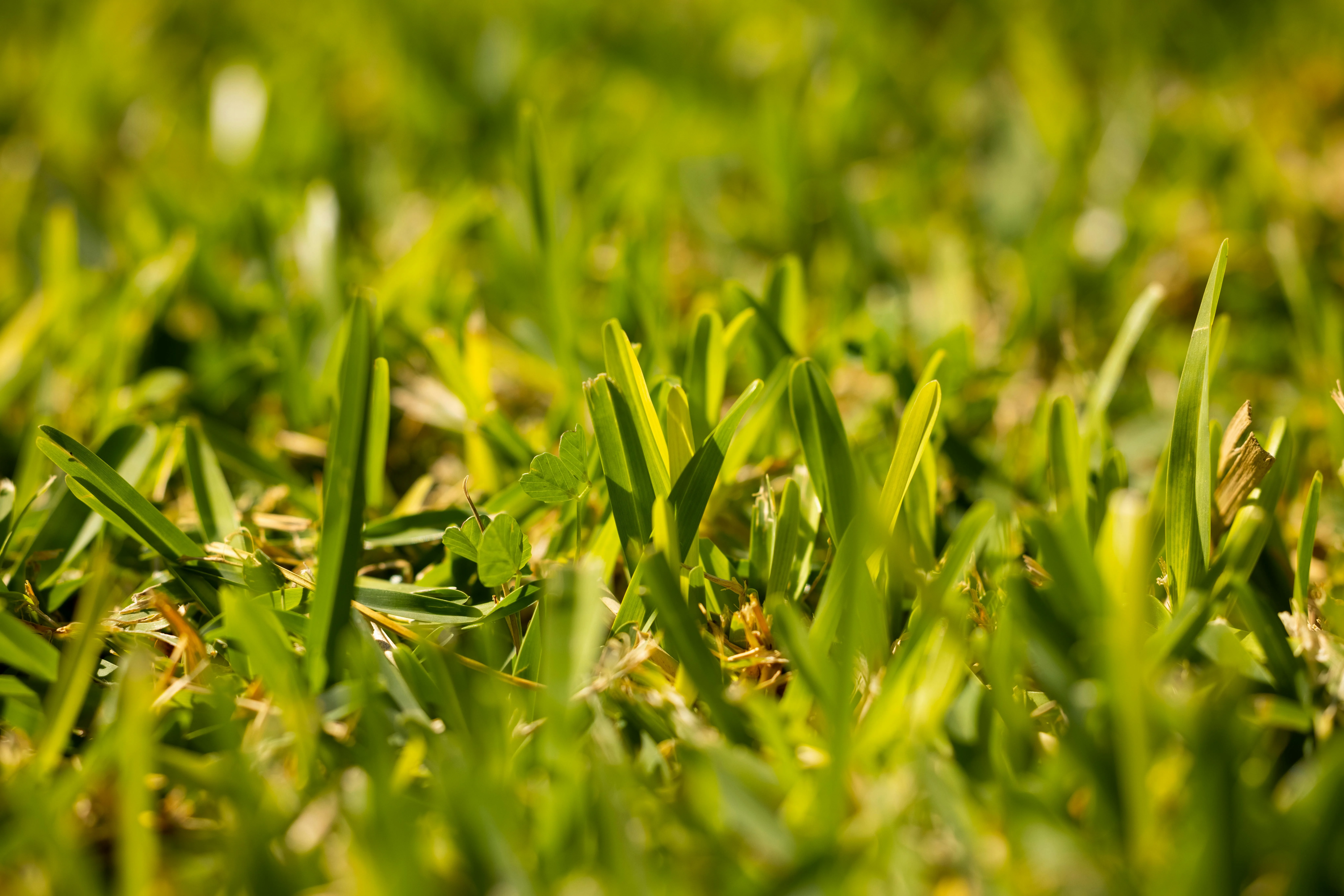
Need more than a cut? We can also point you to tree service and other property work, and the service areas page shows coverage.
Ready for a fixed mowing day? Call (720) 650-0165 or request a free quote, and we’ll confirm route availability for your street.
How much does grass cutting cost in Denver?
Weekly grass cutting on a typical Denver lot runs $40 to $70 per visit. Across all lot sizes and scopes, most Denver lawns are mowed for $45 to $95 per visit, and a full-service monthly plan runs $150 to $450 or more. Turf area, access and frequency decide where a lawn lands.
The wider lawn care breakdown is on our Denver lawn care pricing page.
Can I still get my lawn mowed during Denver’s watering ban?
Yes. The Denver Water rules we read restrict lawn watering and spray irrigation, not mowing. An unwatered lawn grows slowly, though, so a biweekly cut often fits better than weekly. The cutting height stays the same at 2.5 to 3 inches, which keeps stressed turf shaded.
The current restrictions are on our Denver watering rules page, and the grass types guide explains which lawns handle dry spells best.
What does a Denver lawn mowing service include?
Every mowing visit covers mowing, line trimming, edging along beds and walkways, and blowing off hard surfaces. Bagging clippings is available on request for a small fee per visit, and extras such as aeration or a spring or fall cleanup are priced separately so you can see what each one costs.
Seasonal add-ons like leaf removal are scoped the same way, as separate line items.
How do I book a lawn mowing service in Denver, CO?
Call (720) 650-0165 or request a free quote with your address, rough lot size and any gates or pets. We check route availability for your neighborhood, walk the lawn, and then give you a written per-visit price and a fixed service day.
See the areas we serve to confirm your suburb is on a route.